Noodle-Loving Character: A Graphic Design Asset Review
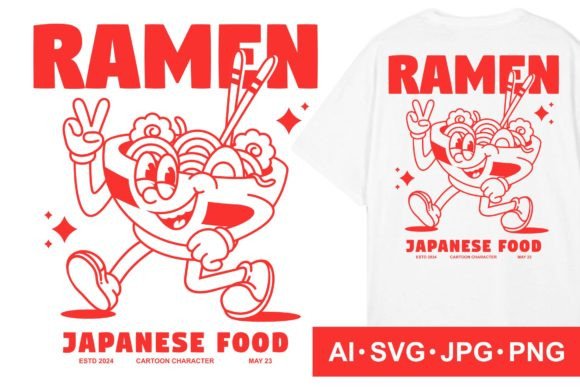
As a blog designer, my first impression of this Cartoon Character of Ramen Japanese Food is pure, playful fun. It instantly creates an editorial mood that’s warm, approachable, and food-centric. This isn’t a sterile, corporate graphic; it’s a character with personality. For publishers, this means the asset naturally supports content niches around casual dining, food culture, travel, lifestyle, and playful education. The retro cartoon style leans bold, decorative, and artistic, making it feel less formal and more community-oriented.
From Blog Header to Pinterest Pin: Real Publishing Applications
Where does this ramen character graphic shine in a real workflow? Let’s start with the most critical visual: the blog featured image. A strong hero image sets the tone for your entire article. Placing this character as a focal point, surrounded by a clean layout and a compelling headline, creates an immediate visual hierarchy that tells the reader, “This content is engaging and visually polished.” That polish builds reader trust.
Its vector format and high-resolution files are a publisher’s dream. You can scale it perfectly for a website header on a recipe roundup, shrink it for a category thumbnail in a food blog archive, or adapt it for a standout Pinterest pin graphic. Pinterest is a visual search engine, and a unique, character-driven image like this stands out against more generic food photography, offering better click-through potential.
Beyond the Blog Post: Supporting Your Entire Content System
Editorial design isn’t just about single posts. This asset can unify your entire content marketing ecosystem. Imagine using a simplified version as an accent graphic in a digital guide about Japanese cuisine, or as the cover art for a downloadable printable like a “Ramen Restaurant Checklist.” For newsletter creators, it makes for a delightful banner graphic that signals a lighthearted, lifestyle-focused edition.
For affiliate marketers reviewing kitchen tools or food products, this kind of creative design asset can soften a commercial page and make it feel more like a curated recommendation than a sales pitch. It also translates beautifully into social media graphics for Instagram or Facebook, especially as a preview for a linked blog post or a lead magnet offer.
Where Visual Impact Meets Practical Performance
The practical value for a digital publisher lies in how this graphic design asset supports content performance. A stronger first impression leads to longer page dwell time. Clearer visual hierarchy helps readers navigate your content. More consistent branding—using this character across a series of related posts—builds stronger category recognition and a cohesive visual identity for your niche. Ultimately, it makes your content pages look more professional and intentionally designed.
Publisher Notes: Testing Before You Commit
Before dropping this Cartoon Character of Ramen Japanese Food into your live blog layout, run a few tests. Preview it on both desktop and mobile screens. How does it look as a tiny thumbnail? Does it retain its charm? Place it beside different font styles—a clean sans-serif, a friendly script, a bold display font—to see which pairing best supports your headline’s readability. Always check contrast if you’re overlaying text directly.
Since it’s offered as SVG and AI files, you have immense flexibility. But remember web performance: when exporting for web use (like a website header or blog graphic), compress the final image properly. Crucially, confirm the commercial license before using it on monetized websites, affiliate pages, or within paid digital products like Canva templates you sell. The description notes its use for stickers and posters, which hints at broad commercial use, but always verify.
Optimal Uses and Cautions for Editorial Context
This asset works best as a hero image, an article thumbnail, a Pinterest pin, or an editorial accent within a digital guide. It’s perfect for content upgrades and downloadable resources where a friendly visual reduces the perceived “effort” of engaging. For newsletter headers and social media previews, it adds a splash of recognizable, non-photographic style.
Use it carefully in certain contexts. In very small mobile thumbnails, the detailed character might become indistinct. On text-heavy blog images where the graphic is a small background element, it could become busy. It’s likely not suited for serious professional niches or corporate content that requires a minimal, austere visual system. The playful, retro cartoon style is its strength, but that also defines its boundaries.
The Final Take for Content Creators
From the viewpoint of a digital publisher, this Cartoon Character of Ramen Japanese Food is a versatile, mood-setting graphic design asset. It provides a ready-made visual vocabulary for food and lifestyle publishers looking to inject consistent, branded playfulness into their blog graphics, editorial design, and social media graphics. It supports the goal of making content not just informative, but visually clickable and memorable. When integrated thoughtfully into your web design and content marketing strategy, such creative design assets move your publishing work from generic to distinct.