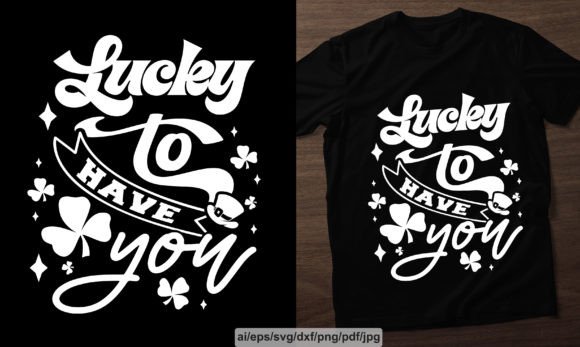
A Designer’s Take on the Lucky to Have You Embroidery Design
When a new embroidery design lands in my library, the first thing I do is imagine it stitched onto something real. Not a digital preview, but a physical product I’m about to make for a client or my own shop. The Lucky to Have You design immediately caught my eye for its sentimental charm, but the real question is: how does it translate from screen to stitch?
The Emotional Handshake of a Design
The mood here is clear: warm, appreciative, and personal. It’s not shouty or overly decorative; it has a gentle, inviting personality. The layout feels balanced, with a focal point that’s more about the message than intricate detail. This isn’t a design for a loud statement piece, but for a gift that speaks softly and sincerely. I instinctively pictured it on a cozy item—a well-loved sweatshirt, a cherished baby blanket, or a kitchen towel in a family home.
Where This Design Finds Its True Home
In my recent work, a client requested a custom tote bag as a “thank you” gift for a team member. The Lucky to Have You design was a perfect contender. The theme aligned perfectly, and the scale seemed right for a mid-sized bag panel. More importantly, I considered the finished feel. On a sturdy cotton tote, the embroidered text would become a tactile, permanent expression of gratitude, far more meaningful than a printed logo. This design naturally belongs to projects where emotion is the primary product: personalized gifts, boutique baby items, wedding party keepsakes, or simple, heartfelt merchandise for a small shop.
Performance on Real Fabrics and Products
Thinking practically, I evaluate a design for how it will behave in the hoop and on the final material. For Lucky to Have You, the clean lines and presumably moderate detail level (based on the provided formats) suggest it should embroider cleanly on standard apparel like t-shirts and sweatshirts. For a baby’s organic cotton romper, I’d be mindful of stitch density; a lighter fill stitch setting might be preferable to keep the fabric soft and flexible. On a structured cap, the design’s likely layout would need to be tested on the curved surface—some lettering might require adjustment to remain legible.
Its versatility, as indicated by the wide range of suggested applications (T-shirt, Mug, Hoodie, etc.), is a major asset for a crafter or small business owner. This means one embroidery file can serve multiple product lines: you could offer embroidered tea towels, patches, and pillow covers all from the same core asset, creating consistent branding for your handmade shop.
Caution Zones for the Best Results
No design is universally perfect. For this one, I’d proceed carefully on very small hoop sizes. Tiny lettering or fine decorative accents, if present, could become lost or blurry if scaled down too aggressively. Similarly, on highly textured fabrics like some sweaters or on thin, stretchy jersey, the clarity of the message could suffer without the right stabilizer and stitch technique. Dark fabric backgrounds demand a thoughtful thread color choice to maintain the warm mood—a bright white might feel stark, whereas a cream or soft gold could preserve the gentle tone.
If using this for products destined for frequent washing, like kitchen linens or children’s apparel, testing the stitch integrity on scrap fabric first is non-negotiable. A dense stitch area might pucker or wear differently than a lighter running stitch outline.
How This Design Elevates Your Finished Product
From a business and presentation perspective, Lucky to Have You adds value through its emotional resonance. A customer looking at an embroidered tote bag with this phrase isn’t just seeing a bag; they’re seeing a gift with a story. That enhances perceived value and customer trust in your craftsmanship. For an Etsy seller, it offers a ready-made, heartfelt design that can speed up creation of popular “giftable” listings. Its professional, clean execution (assuming well-made source files) translates directly into a professional-looking finished product, which reinforces your brand as a quality maker.
The design’s giftability is its strongest commercial feature. It easily fits into holiday gift collections, wedding favor personalization, or boutique nursery product lines. It engages buyers by tapping into a universal sentiment—appreciation—which is always in demand.
Practical Notes from the Worktable
Before loading this file for a real client project, my checklist would include:
- Running a test on scrap fabric identical to my final product material.
- Evaluating thread color contrast against both light and dark background mockups.
- Confirming the actual hoop size needed for the intended product scale.
- Inspecting any small details in the design file to ensure they will stitch clearly.
- Using appropriate stabilizer for the chosen fabric to avoid distortion.
- And crucially, verifying the licensing terms for this digital embroidery file. Since it’s categorized under Print Templates and Graphics, I must confirm whether my use—for a commercial embroidered patch sold in my shop, for instance—is permitted under the license provided.
This due diligence isn’t just about technical success; it’s about ensuring the final embroidered product carries the warm, lucky feeling the design intends, without any practical hiccups. When a design like Lucky to Have You is executed well on a thoughtful product, it stops being just a graphic and becomes a keepsake. That’s the real test for any embroidery file, and this one has the foundational charm to pass it.