A Practical Review of Easter Joy for Embroidery Projects
As a designer who regularly translates digital artwork into embroidered goods, my first look at the Easter Joy Easter Day Sublimation Design was from that specific angle. I’m thinking about how this artwork will translate into stitches, what the final product will feel like in a customer’s hands, and which projects it will elevate. The product description notes it’s an EPS file at 2000px by 2000px, which is a solid starting point, but the real test begins when you load it into your embroidery software.
The Immediate Mood and Visual Personality
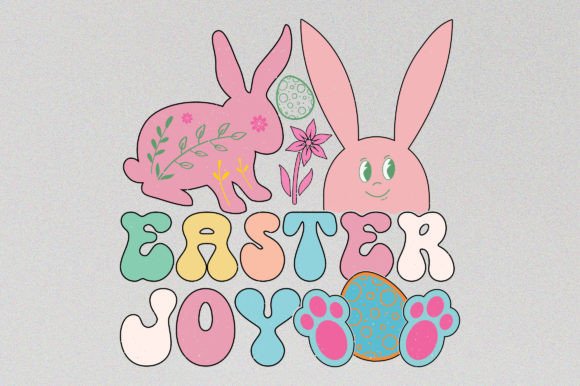
The design immediately evokes a warm, classic Easter feeling. The composition is cheerful and balanced, suggesting it belongs on items meant for celebration, gift-giving, or seasonal decor. From an embroidery perspective, the layout appears thoughtfully spaced, which is a good sign for stitch clarity and avoiding overly dense areas that can stiffen fabric. Its visual personality is friendly and inclusive, making it suitable for a wide range of recipients—from children to adults. This isn’t an overly quirky niche design; it feels like a versatile, heartwarming graphic that many customers would recognize and appreciate.
Where This Design Naturally Belongs in Your Project Lineup
Let’s picture a real scenario: you’re preparing a custom embroidered tote bag as a spring gift for a client, or a personalized baby blanket for an Easter newborn. The Easter Joy design is exactly the kind of artwork you’d consider. Its theme is perfect for holiday-specific merchandise—think boutique kitchen towels, commemorative pillow covers, or a special sweatshirt for a family gathering. For small business owners and Etsy sellers, this design could anchor a whole seasonal collection: aprons, caps, simple patches, and of course, the classic t-shirt. The artwork’s scale, described as 2000px square, suggests it can be adapted for a reasonably large area, making it a candidate for the centerpiece of a tote bag or the front of an adult sweatshirt.
Performance on Real-Life Fabrics and Products
In practical use, the key considerations for an embroidery design are detail level and stitch execution. The design’s outlines and shapes will need to be interpreted into satin stitches for borders and fill stitches for larger areas. On a textured fabric like a cotton tote, the fill areas will need proper stabilizer to look crisp. On baby clothes or softer blankets, you might opt for a lighter stitch density to maintain fabric flexibility. For dark fabrics, the color palette implied by the artwork will be crucial; you’ll need to test thread color contrast to ensure the cheerful mood isn’t lost on a navy or black sweatshirt.
For curved surfaces like caps, the design’s central, likely circular composition could work well, but you must check the digitized file’s adaptation to a smaller, curved hoop size. Similarly, for a small embroidered patch, the finer details and any tiny lettering need to be examined closely in the actual embroidery file to ensure they don’t become muddy or unclear when stitched out at a reduced size.
Careful Considerations for Specific Applications
While the design is versatile, some applications require extra forethought. On thin or stretchy fabrics, the potential for puckering around any dense fill stitch areas is real. A pre-project test on scrap fabric is essential. For products destined for frequent washing, like kitchen towels or everyday apparel, the stitch integrity and thread choices must be robust. The design’s appeal on layered garments, like a jacket over a sweatshirt, depends on its prominence; it might be perfect as a standalone statement piece on the chest of a hoodie.
From a commercial perspective, using this as a digital embroidery file for client work or selling finished products requires confirming the licensing terms provided with the EPS file. The description notes it’s for t-shirt designs and graphics, so verifying the scope for commercial embroidery projects is a necessary step before listing items on your Etsy shop or producing craft fair merchandise.
How It Enhances Product Value and Customer Perception
When stitched well, a design like Easter Joy significantly boosts the visual appeal and perceived value of a handmade product. Its clear, festive theme creates immediate recognition, which builds customer trust—they know exactly what they’re getting. For a personalized gift, it adds a layer of thoughtful, seasonal tailoring. For your brand, consistently producing clean embroidery from such designs reinforces professionalism and can increase buyer engagement. A well-executed embroidered pillow cover or tea towel using this artwork looks like a premium boutique product, not a generic craft.
Practical Designer Notes Before You Stitch
My routine before committing any design to a final product involves several checks. For Easter Joy, I would strongly recommend:
- Testing the digitized embroidery file on scrap fabric of the same type you plan to use (e.g., cotton canvas for a tote, jersey for a t-shirt).
- Reviewing the stitch density in your software, especially for any solid fill areas, to ensure it’s appropriate for your target fabric.
- Checking the required hoop size for your intended project size and confirming your machine can accommodate it.
- Inspecting small details in the embroidery file preview—are any elements too fine to stitch cleanly on your chosen product?
- Creating simple black and white mockups, as well as testing the design concept on both light and dark fabric backgrounds in your mind or software, to plan your thread palette.
- Using the proper stabilizer for the project; a design with this potential scale and detail shouldn’t be stitched without it.
- Clarifying the licensing for your use case—is it suitable for commercial embroidery projects, or strictly for personal use?
These steps transform a promising graphic into a reliable, high-quality embroidery project. They help avoid surprises on the final product, which is crucial when you’re creating for clients, your small shop, or as a gift.
The Final Impression: A Design Worth Adapting
Ultimately, the Easter Joy Easter Day Sublimation Design presents as a strong, mood-setting graphic that can be the foundation of numerous successful embroidery projects. Its strength lies in its universal seasonal appeal and balanced layout, which should translate well into stitches across various applications. For embroidery designers, craft business owners, and makers, it’s a design that invites you to think about spring products, holiday gifts, and adding a touch of handmade joy to your lineup. Your skill in digitizing and stitching it will determine its final impact, but the artwork itself provides a cheerful and professional starting point. Remember to work from the actual embroidery file you create or purchase, and always validate the specifics—like exact stitch counts and machine compatibility—for your particular setup before embarking on a commercial run or a special custom gift.